Table of Contents
The Problem
Landlords and tenants had no shared system for digital contracts, rent tracking, maintenance requests, or communication. Everything lived in separate places — signed leases in email attachments, rent payments tracked manually, maintenance issues reported by phone or text and easily lost. For agents managing multiple properties, this meant constant admin overhead and no single source of truth.
The Solution
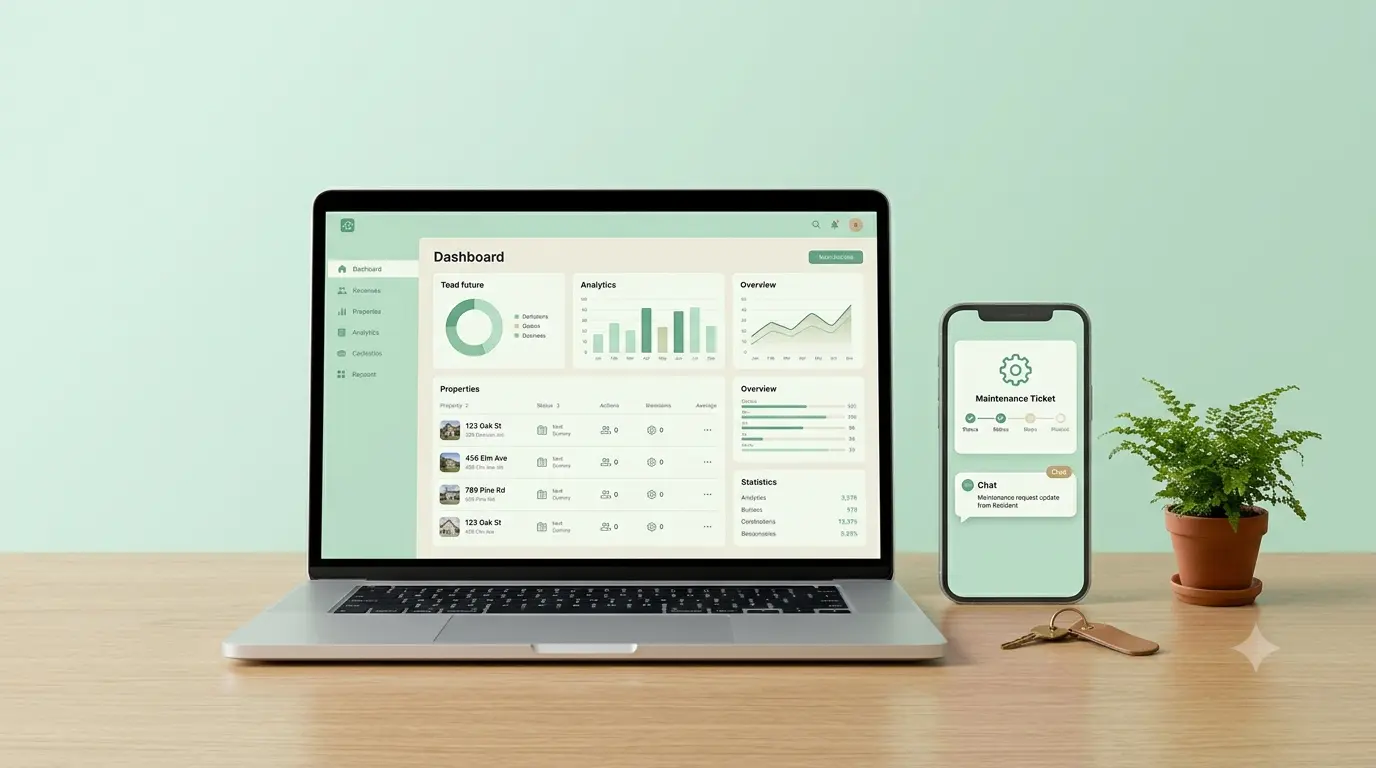
We built Roomly as a full-stack SaaS platform with role-based access for three distinct user types — landlords, tenants, and agents — each seeing exactly what’s relevant to them. The platform covers:
- Digital contracts — lease agreements stored and managed in one place
- Payments — rent tracking built into the system, not chased manually
- Maintenance ticketing — tenants log issues directly, landlords and agents track resolution
- Automated notifications — keeping all three parties informed without manual chasing
Tech Stack
Roomly was built on Next.js and Node.js, with PostgreSQL handling relational data across contracts, payments, and users. AWS S3 manages secure document storage for signed contracts, and Twilio powers real-time notifications across the platform. This stack was chosen specifically for reliability at scale — a property platform handling legal documents and payments needs infrastructure that doesn’t cut corners.
The Result
The result is a complete multi-role system, live and in use, with automated notifications, digital contract storage, and real-time maintenance tracking replacing what used to be a fragmented, manual process. Landlords get visibility without chasing updates, tenants get a direct channel for issues and payments, and agents get a single dashboard instead of juggling multiple properties across scattered tools.
Why This Matters for Your Property Business
Property management sits at the intersection of legal compliance, payment handling, and day-to-day communication — which is exactly why generic off-the-shelf tools often fall short. Roomly shows what’s possible with a platform built specifically around how landlords, tenants and agents actually need to interact, rather than forcing that relationship into a tool designed for something else.
If you’re managing rental properties and drowning in spreadsheets, contracts, and missed maintenance requests, this is the kind of system worth building properly the first time. Get in touch with our custom software team to talk through what a platform like this could look like for your business.